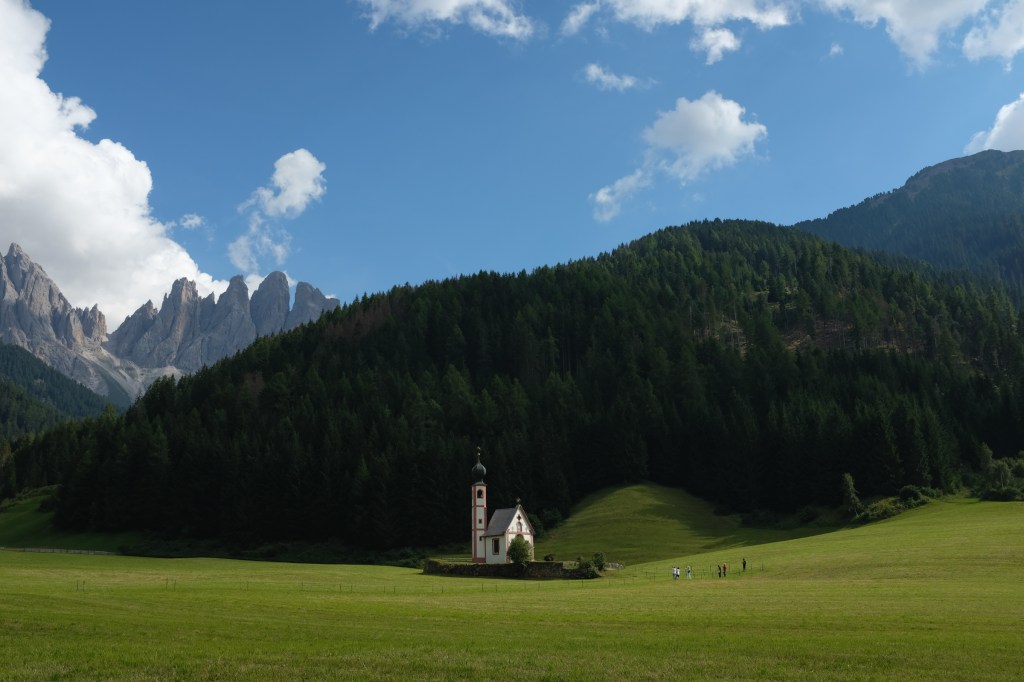
There is nowhere on the planet quite like the Dolomites. In the sultry August heat, the wind waltzes through the fields. They twirl the grasses ever so gently, shimmying tassels of gold across an undulating dance floor. Looming out from the clouds, mountain chains rumblingly large and wrinkled with age take on the appearance of giant sewing needles. Their jagged spires pierce the firmament with stitchworks of earthen beauty.
The Dolomites’ stunning landscapes are made up of individual mountain groups separated by valleys, rivers, and plateaux. Navigating through this Alpine archipelago can be anything but straightforward for the first-time visitor. The most breathtaking vistas are arguably located in the German-speaking region of South Tyrol, colloquially known as Südtirol. Roughly speaking, the portion of the range lying in South Tyrol can be divided into two halves: a western half encompassing the high-altitude alpine pasture and the valleys of Gherdëina and Villnöss; and an eastern half that includes the triple peaks of Lavaredo and the famous Lake Braies.
Day 1: The High Alpine Pasture
Seiser Alm/Alpe di Siusi/Mont Sëuc • Karersee/Lago di Carezza
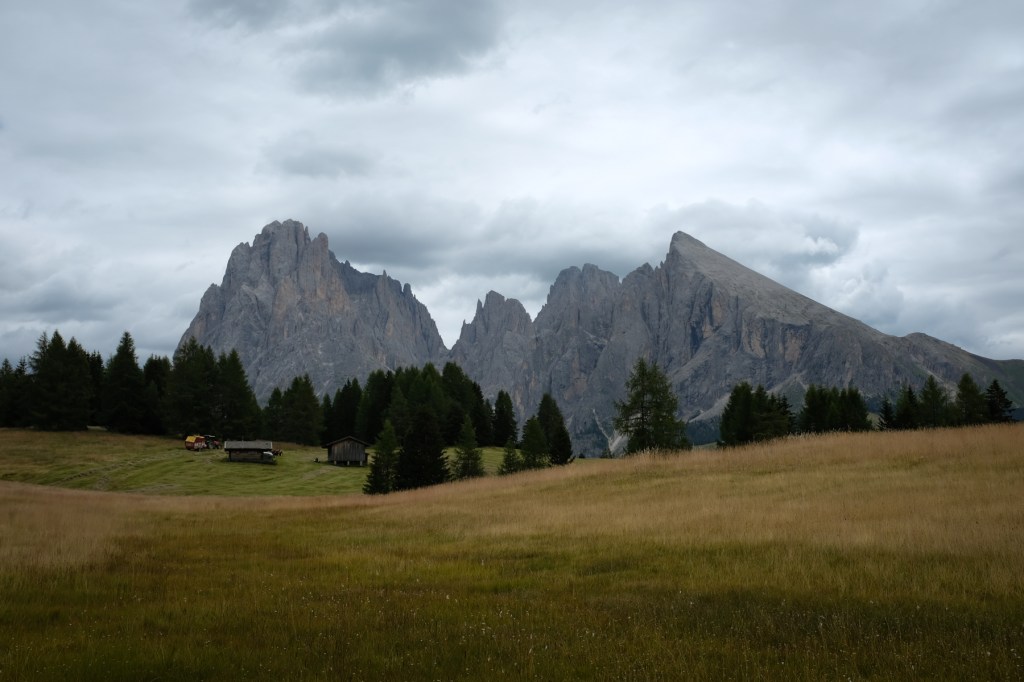
Even those familiar with the Alps admit that among its contemporaries, the Dolomites are singular. Named after the dolomite rock, the region’s unique canvases of sweeping meadows against perpendicular comb cliffs are dreamlike, invoking visions not normally seen by mortals until their thread has been cut by the Fates. But humans are no strangers to the surreal beauty of the Dolomites; they had a hand in shaping it. In the ancient tradition of transhumance, herdsmen have shepherded their livestock to these highlands since at least the Middle Ages. Over the centuries, they transformed the mountain plateau. In the context of the European Alps, the word “alp” refers to an area of pasture above the valley floor and below the mountain peaks. The Seiser Alm, also known as Alpe di Siusi and Mont Sëuc, is the largest one of its kind at such altitudes.



Day 2: The Valley of the Ladins
Seceda/Secëda • Urtijëi/St. Ulrich in Gröden/Ortisei
A trek in the Dolomites is as much a tour of the mountains and meadows as it is of ancient lagoons. Hundreds of millions of years ago, this land rested at the basin of a shallow and warm tropical sea similar to today’s Caribbean reefs. In the Puez-Geisler—also called as Puez-Odle—Nature Park, fossils of primeval bivalves and sponges still cling to the rocks next to stelle alpine, or “Alpine stars,” the Italian name for the elusive edelweiss.


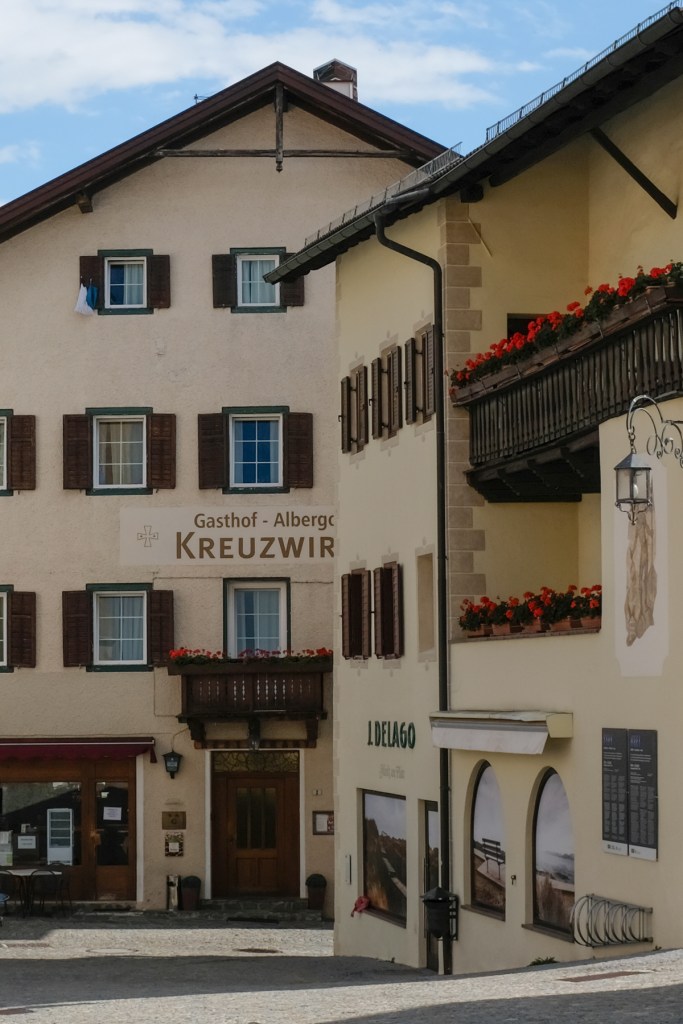
Italian is the national language, although in the northern sections of this mountain archipelago, it is the minority. Prior to World War I, this part of the Dolomites belonged to the County of Tyrol, a crown land of dual monarchy of Austria-Hungary. The partition of Tyrol in 1919 transferred the southern half of the territory to Italy. But more than a century on, the mother tongue of many denizens remains Tyrolese, a Bavarian dialect, while the Austrian variety of German is used in formal situations and written communication. In a handful of valley pockets such as Gherdëina, alias Gröden or Val Gardena, the majority language is Ladin—a little-known collection of dialects belonging to the Rhaeto-Romance family, similar to the Romansh spoken in eastern Switzerland.

Day 3: The Villages of Villnöss
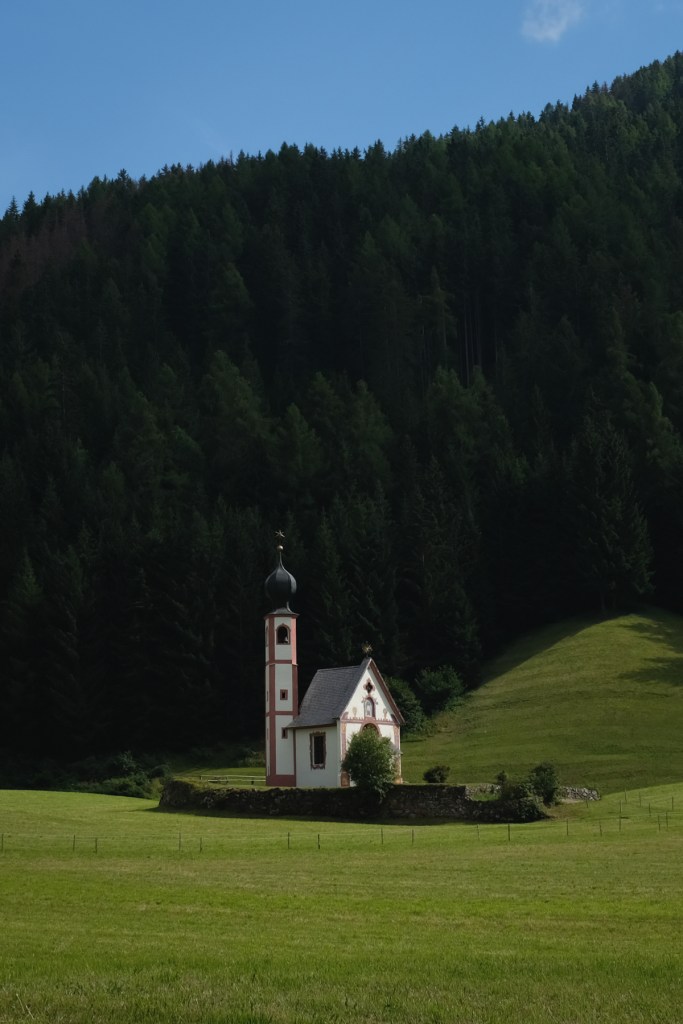
St. Magdalena/Santa Maddalena • Ranui
Multilingualism and tumultuous recent history have given a polyonymous identity to this corner of northeastern Italy. Many places have three, four, or even more names, shrouding the landscapes in further mystique. Officially called the Autonomous Province of Bolzano after the provincial capital, it is commonly known simply as South Tyrol, or Südtirol in German. The Italians call it Alto Adige, for the upper portion of the Adige River that runs through it. It is a recycled name from the time of Napoleon, when conquered lands were renamed after descriptive geographical features rather than cultural terroir, which, as with the case of German-speaking Südtirol, often harbored different loyalties.




Day 4: The Three Peaks of Lavaredo
Drei Zinnen/Tre Cime di Lavaredo • Cadini di Misurina • Dürrensee/Lago di Landro
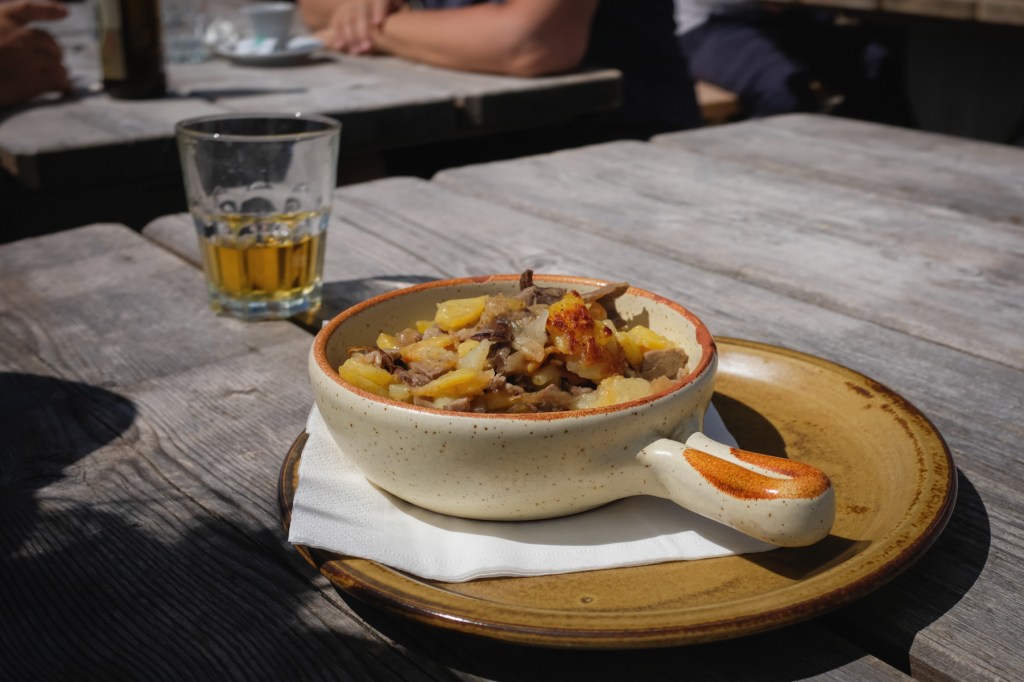
Up in the mountain pastures, the livestock graze throughout the summer, while sprightly staff shuffle in and out of the Alpine huts in checkered dirndls and knee-high lederhosen. They balance trays of the local fare, all staples from the once vast realm of the Austro-Hungarian Empire: Knödel, rounded dumplings made of stale bread, milk, eggs, and onions; Gröstl, a leftover-turned-breakfast dish of pan-fried potatoes and sliced meat; Buchteln, sweet Bohemian rolls stuffed with jam and served over hot vanilla sauce; Kaiserschmarrn, a Viennese scrambled pancake dusted in powdered sugar; and the classic Apfelstrudel, a fixture on every dessert menu on every South Tyrolean alp. Here, the strudels are made with the addition of pine nuts which grow on the dark coniferous trees that blanket the valley sides. There is some Italian influence as well, packaged in the form of succulent game-filled ravioli or a jovial glass of sparkling Aperol Spritz.

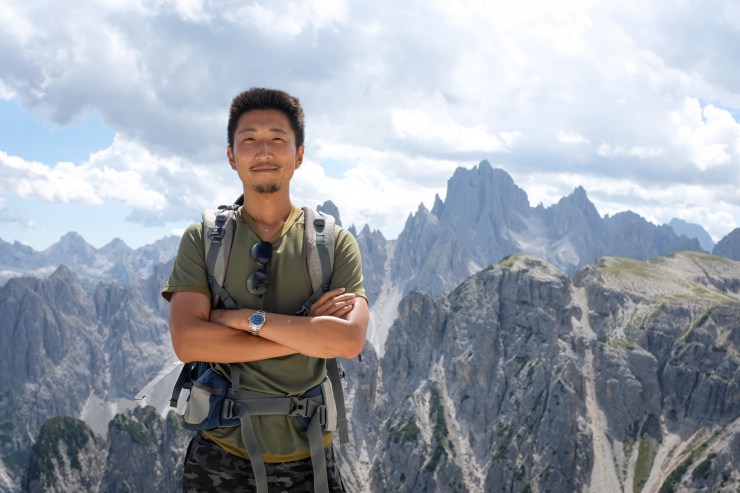
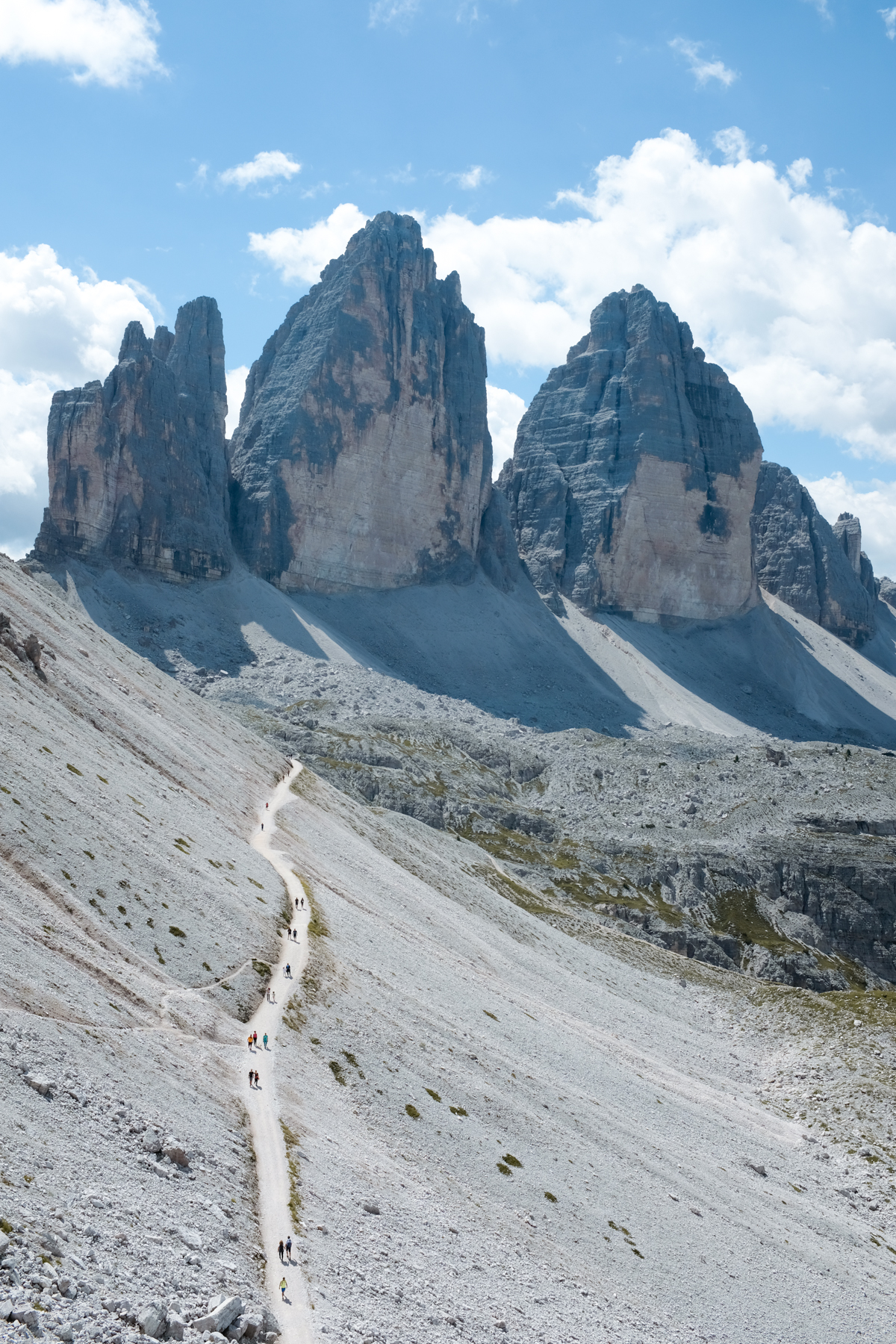
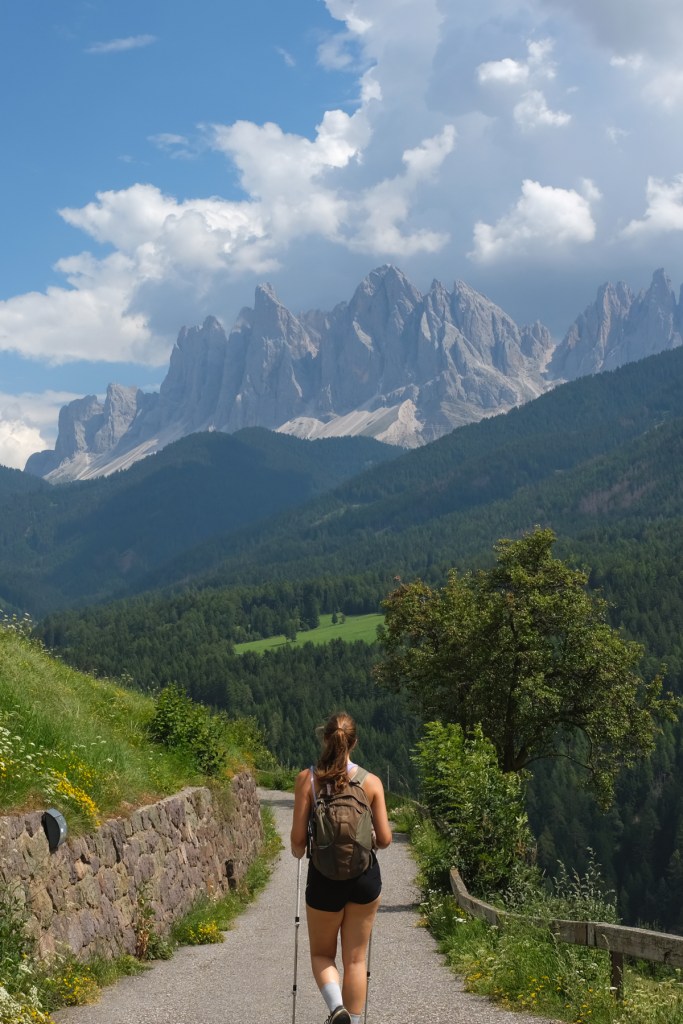
Above the Alpine pastures and the hearty comfort of the baite, or mountain huts, the fabric of green pines and grasses are stripped from the earth. Left bare and supported only by a pale gray talus, the mountains look godlike. Every texture is hardened, and every pinnacle stretches taller, reducing even the most ambitious climbers to nothing more than meandering ants. Along with the Langkofel and Geisler ranges, the Drei Zinnen—”three merlons”—are one of the symbols of the Dolomites. Once, these triple peaks marked the border between Italy and Austria-Hungary. Today, they separate two Italian regions: Veneto and Trentino-Alto Adige/Südtirol.


Day 5: The Pearl of the Alps
Pragser Wildsee/Lago di Braies • Brixen/Bressanone
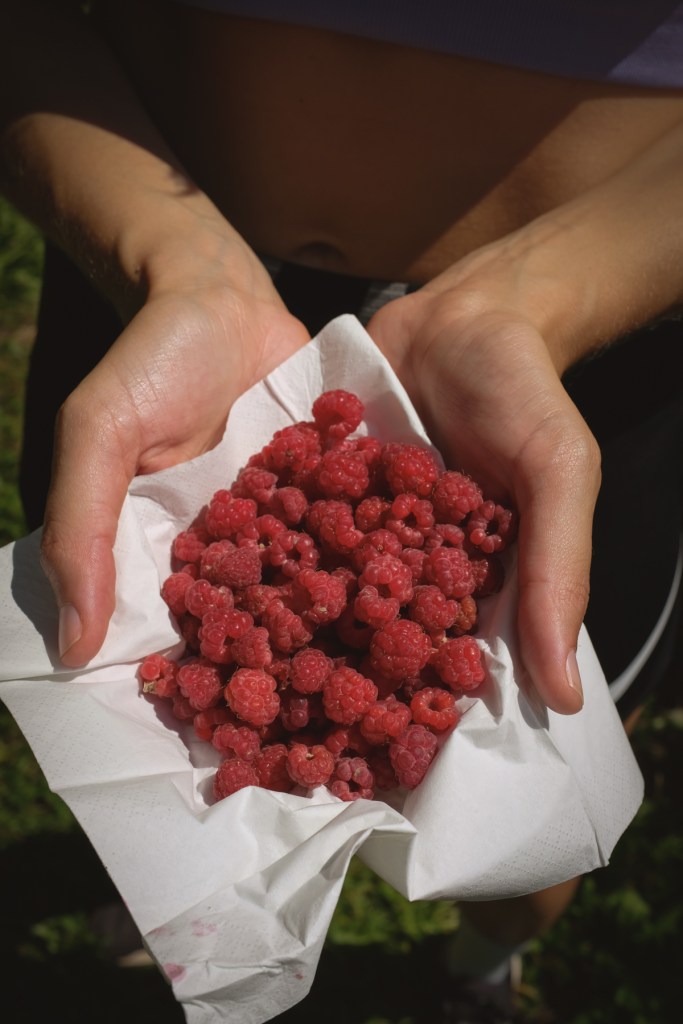
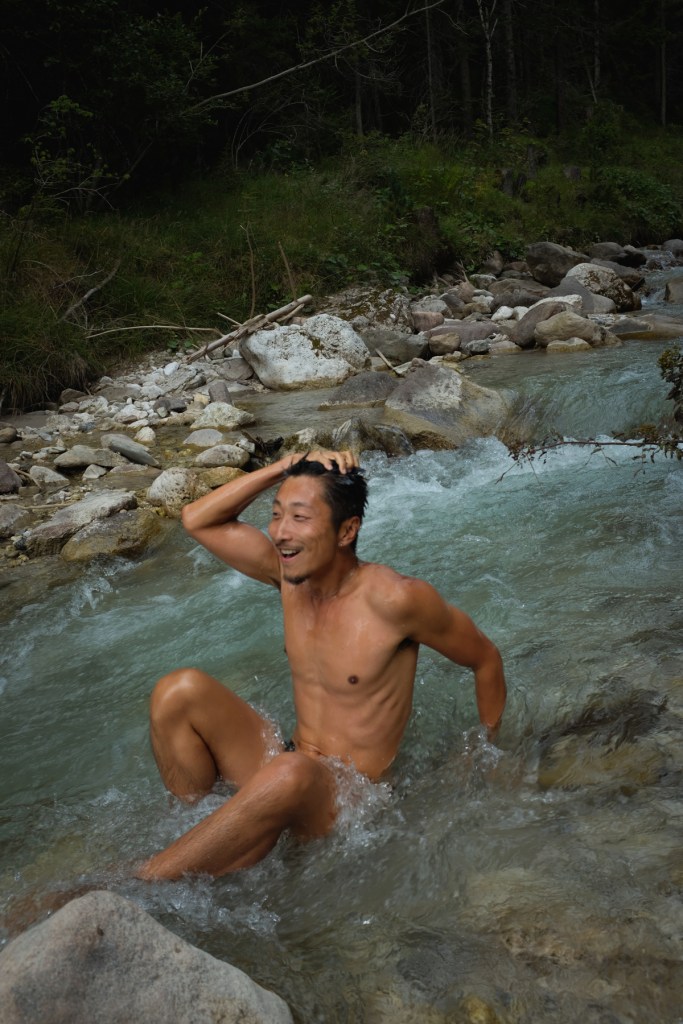
It is only fitting that a place of such immense beauty should have emerged from the ocean, like Aphrodite, carried by nautical shells and frothy waves. Between towering sculptures and rolling curves are recollections of the faraway sea. Gem-like pools of various sizes and depths scatter across the region. Some, like the emerald Karersee, are off limits for swimmers, but the wild strawberries and raspberries growing abundant around its perimeter are a sweet consolation. Nicknamed the “Pearl of the Alps,” the Pragser Wildsee—also known as Lago di Braies, Lake Prags, and Lake Braies—has exploded in popularity due to its romantic stilt boathouse, rentable wooden rowboats, and deep transparent waters. And then there are lakes which feel like a slippery secret, such as soft turquoise Dürrensee, guarded by the mighty walls of Monte Cristallo.


GETTING AROUND AND STAYING IN THE DOLOMITES
Though the public transportation system is well developed, the flexibility of having a rental car is not to be underestimated. The Ladin-speaking town of Urtijëi and the ski resort of Cortina d’Ampezzo—located across the regional border in Veneto—are popular bases for exploring the western and eastern halves of the South Tyrolean Dolomites, as are the larger cities of Bolzano and Brixen at the gateway into the mountains. However, during the peak travel season, affordable accommodation is in short supply, so consider lodging in the smaller surrounding settlements, such as Carezza instead of Urtijëi, or in quaint mountain passes such as Passo Tre Croci near Cortina d’Ampezzo.
 Gregory Gioro
Leave a comment