There were a few years in my life when, more than anything, I wanted to move to Sweden. It was shortly after my days as an exchange student in Norway. I was looking for a continuation, and a do-over. Armed with a good grasp of Norwegian and a freshly imbued mind of Scandinavian sensibilities, I pictured myself settling gracefully in Sweden, flitting past all the cultural faux pas I had stumbled over during my first foray in Scandinavia. The shimmering lights of Stockholm drew me in like a moth.
Stockholm was effortlessly cool. In upscale Östermalm, I gazed across the water to the floating bar of Strandbryggan with feelings of awe and envy. The cocktail tables glistened with flutes of champagne and oysters on ice. Every woman was elegant, her golden bangles as radiant as her long, blonde locks. Every man was dashing, clothed in the finest blue windowpane two-piece to match his eyes. I imagined their conversations. Maybe they were making plans for Mallorca. Maybe they were sharing stories from midsummer. I pictured them, stylishly draped in egg-white linen and loosely cropped trousers on wooden Pettersson boats, sailing among private islands topped with little red houses, weaving flower crowns, and going dipping in a night that never fully darkened. At home, I began curating a Spotify playlist of Swedish songs. I steeped myself in every line and melody. I sang about the packed snowy slopes of Mariaberget and the sunken tiles of Sergels Torg as if I knew them. I prepared for the swells of life to take me up, but it never did. And then, somewhere down the line, Stockholm receded from my mind like an old high-school love.


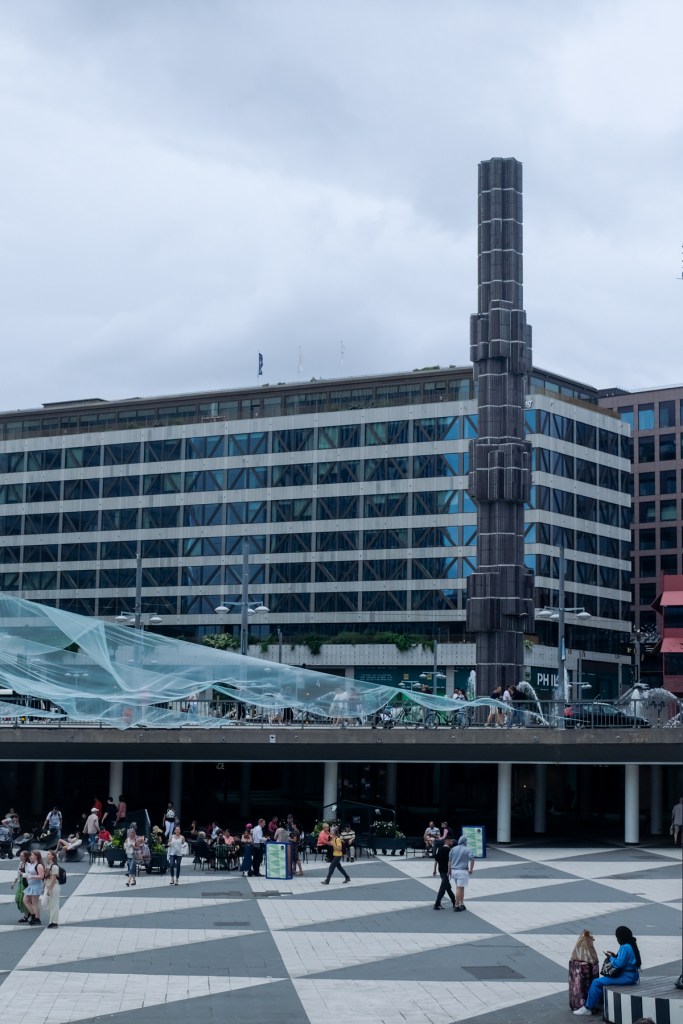

We saw each other once every few years, although I never got to know the bustling watery metropolis in the way that I wanted to. Still, Stockholm and I, we shared some important memories. There was the summer of 2010, when Pauli and I spent a whole day on Vaxholm lapping pear ice cream from our fingers and a night in Gamla Stan dashing around the cobbled streets looking for a cheap bacon-wrapped hot dog dinner. There was Melodifestivalen with Johnny, where, after a long trudge through shivering snow and sludge, we participated with the rest of Sweden in choosing the country’s Eurovision entrant. And there was Stockholm with Dominik. Far from the watchful eyes of the Alps, we could bathe openly in each other’s affection. We sipped on swanky cocktails in the dazzling ballroom of Berns, exchanged pecks along the esplanade of Strömkajen, and on one fine day in June, we hopped on the last ferry out to sea. Hidden away in the dusky deep of the Stockholm Archipelago, we touched the apex before we came crashing down. Like an old love, Stockholm makes me quiver.
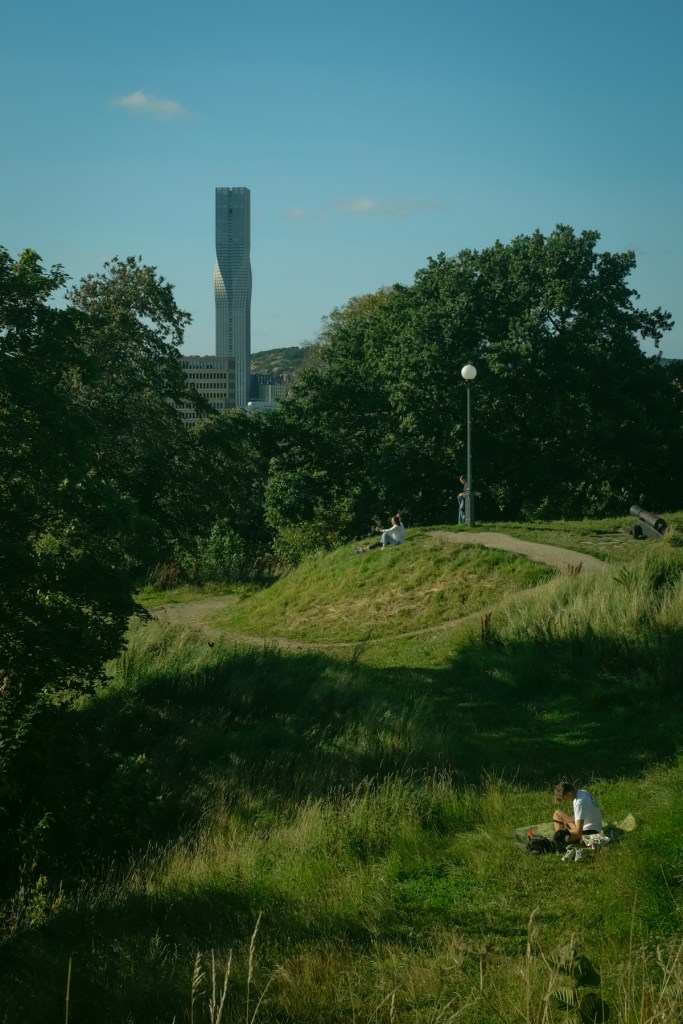

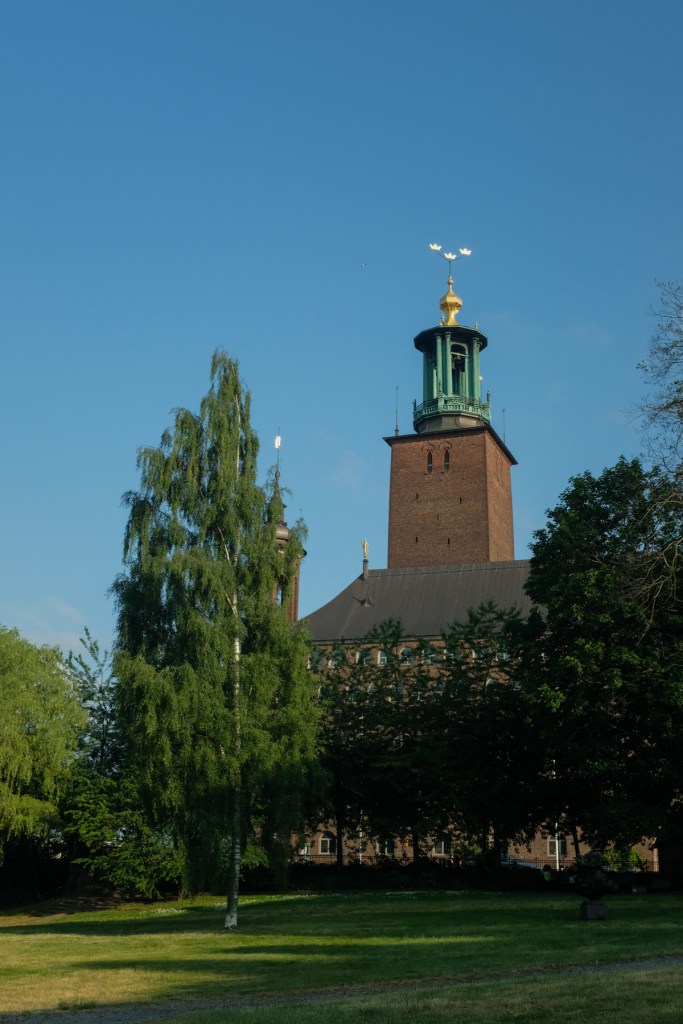

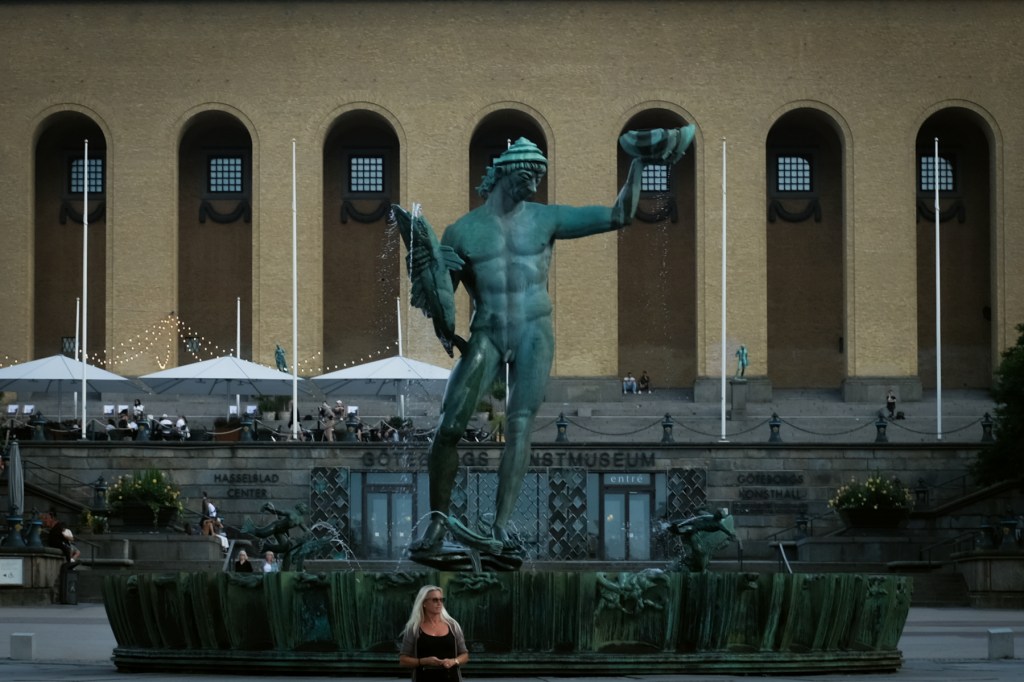


Perhaps it’s why I like Gothenburg better. Sweden’s second city is a tabula rasa, with nothing to long for but new experiences. Stockholm surfaces my yearning for the people I discovered it with, and my longing to know what life could have been. Gothenburg shows me the possibilities that solitude and life could still bring.
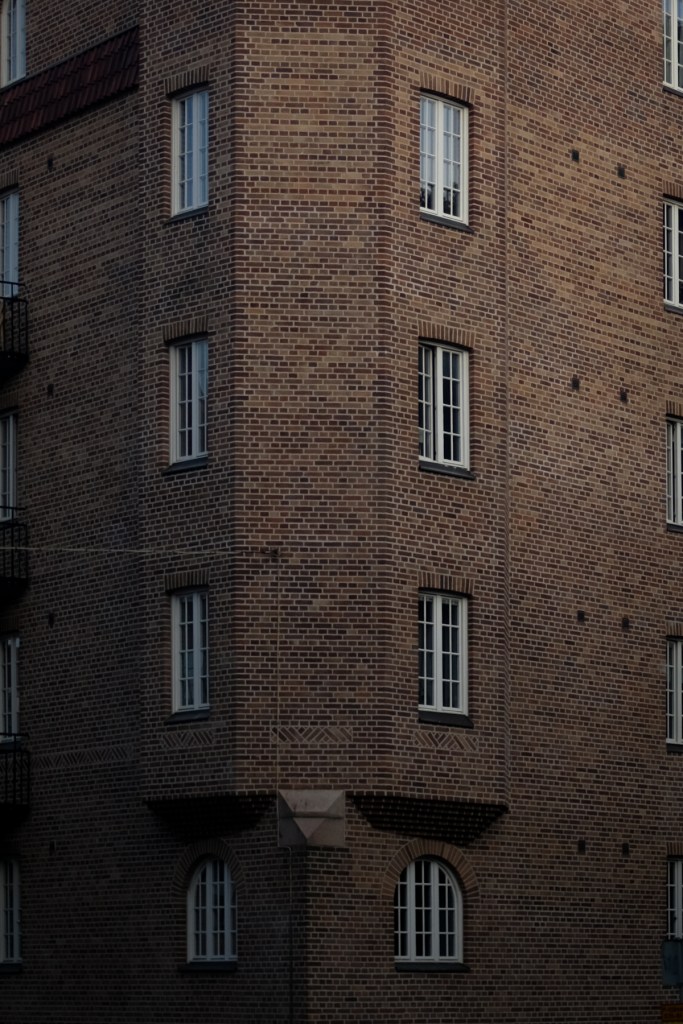
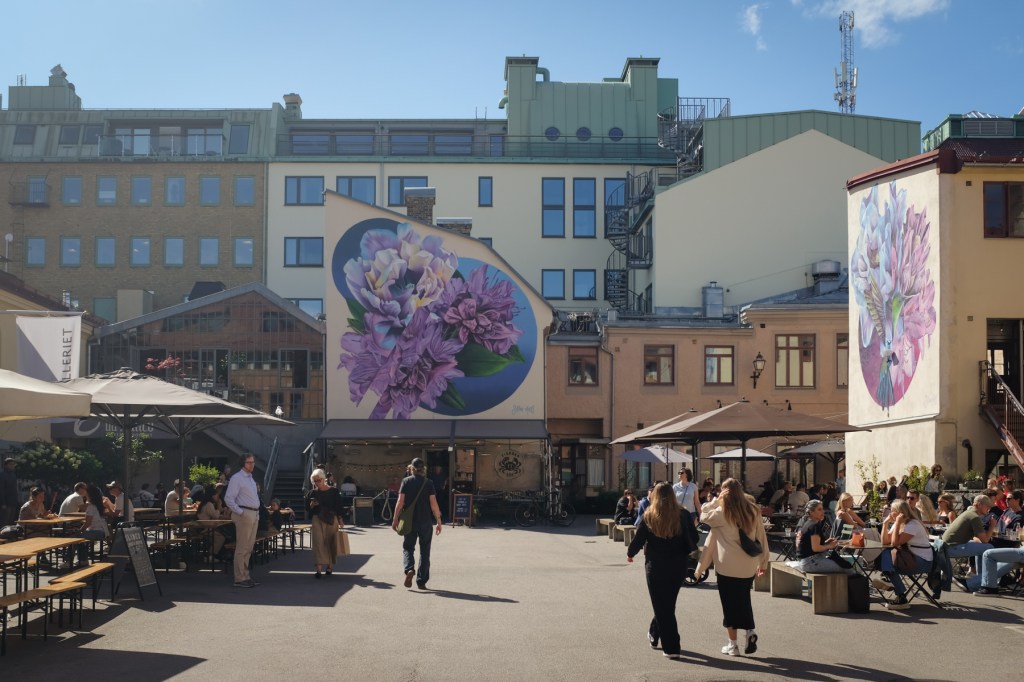
Göteborg, as the Gothenburgers call their home, has the bearings of a city, but the demeanor of a town. Its backbone is made of industrious buildings, brawny brick façades, a few haughty avenues and the occasional copper steeple. Its streets are silent and spacious, although there are a few lively corners. During the fleeting summer, the beloved pavilions of Liseberg host a perpetual line-up of live concerts against a scenery of sweetly decorated gardens and Scandinavia’s most thrilling amusement park rides. In the old district of Haga, I paused for fika, the quintessential Swedish afternoon coffee break. Wrapped comfortably in the aroma of cinnamon spice and roasted Arabica, I watched the people mosey past short wooden houses, weaving into one shop after the next. It wasn’t obvious who was a resident and who was a visitor. I liked that. Göteborg felt easygoing.




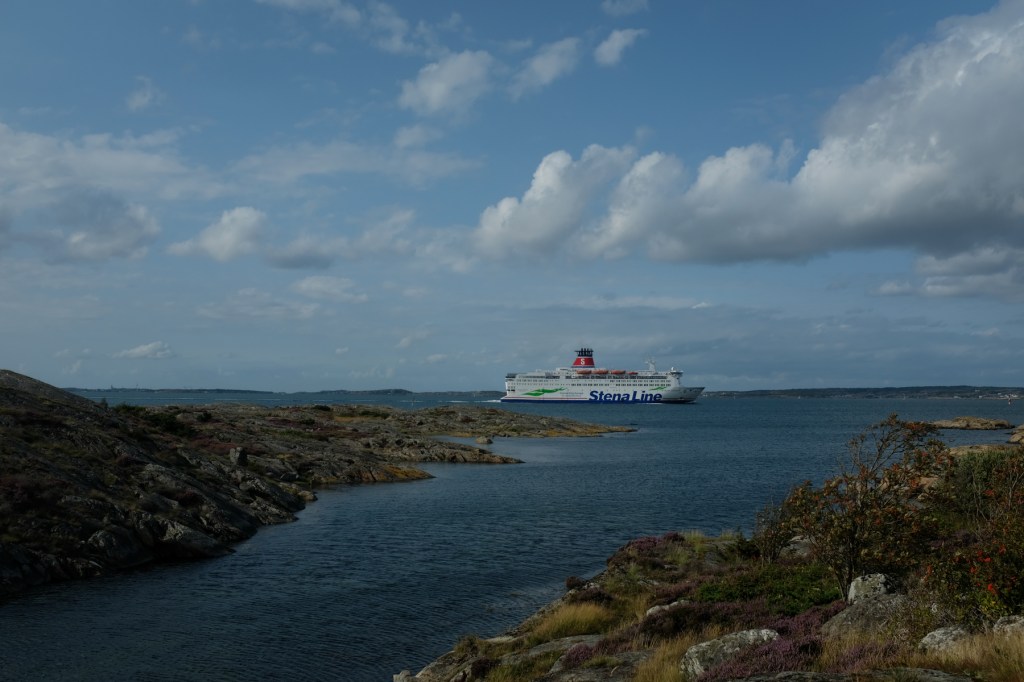
The siren call of the waters lured me to the waterfront of Saltholmen, where the trams reach their terminus and turn back towards Gothenburg’s city center. Those who have taken a ferry out to the shallow sea of Kattegat extol the virtues of the islands here. I wanted to see them with my own eyes. Located on Sweden’s west coast, Gothenburg’s archipelago is smaller than Stockholm’s, less labyrinthian, and less wooded. In the Icelandic sagas, it was known as Elfarsker, which meant the “river islets.” One among them, Brännö, was mentioned as an important place for trade and assembly during the Viking Age.



Today’s Brännö still feels like a step back in time. Like the entire southern half of the Gothenburg Archipelago, it is absent of cars. Its residents move unhurriedly, on bicycles, skateboards, or motorized wheelbarrows. A few walked. On an overcast day, when all of Sweden looks silver underneath the clouds, the docks are an idyllic spot for a joltingly crisp and salty swim. On sunnier days, when the rocks are bright and warm, Brännö might just be heaven.
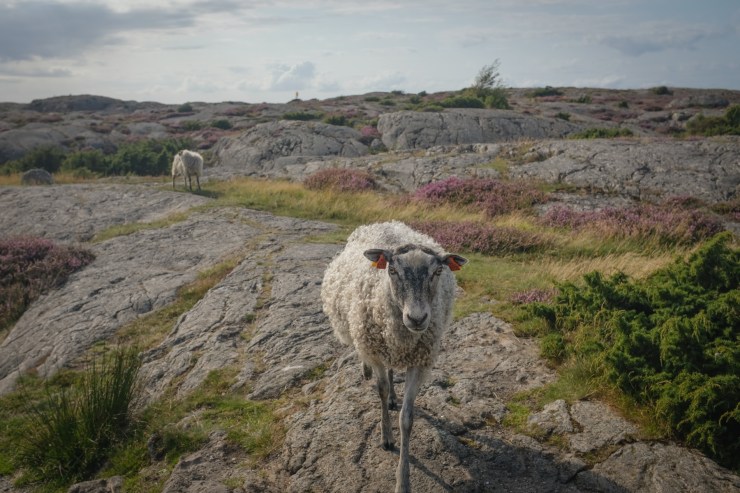
Dense forest and a rudimentary stone bridge connect Brännö with the uninhabited Galterö, where sheep wander and graze on amethyst-colored heathland. With wide views of the open sea, the island reserve is a peaceful sanctuary for those wanting to enjoy allemansrätten—the right to roam free in Sweden’s nature. Time on Galterö passes slowly, but it did not bore me. I cherished the long hours, watching the sun dip and the ferries glide soundlessly in front of my tent. And when night came, the cold tucked me into the burrow of my sleeping bag and pulled the veil of a deep slumber over me.



In Gothenburg, I could see myself living in Sweden once again. Perhaps I would quickly tire of it. The cozy wooden houses and red roofs of Haga would lose their charm and color. The long winter and constant wetness would make me weary. And the peace and quiet of Galterö’s gentle flocks would no longer be enough company. But for a moment, I was caught off guard by the spark of a lost desire. In this new city, an old love returned to me.
 Gregory Gioro
Leave a comment