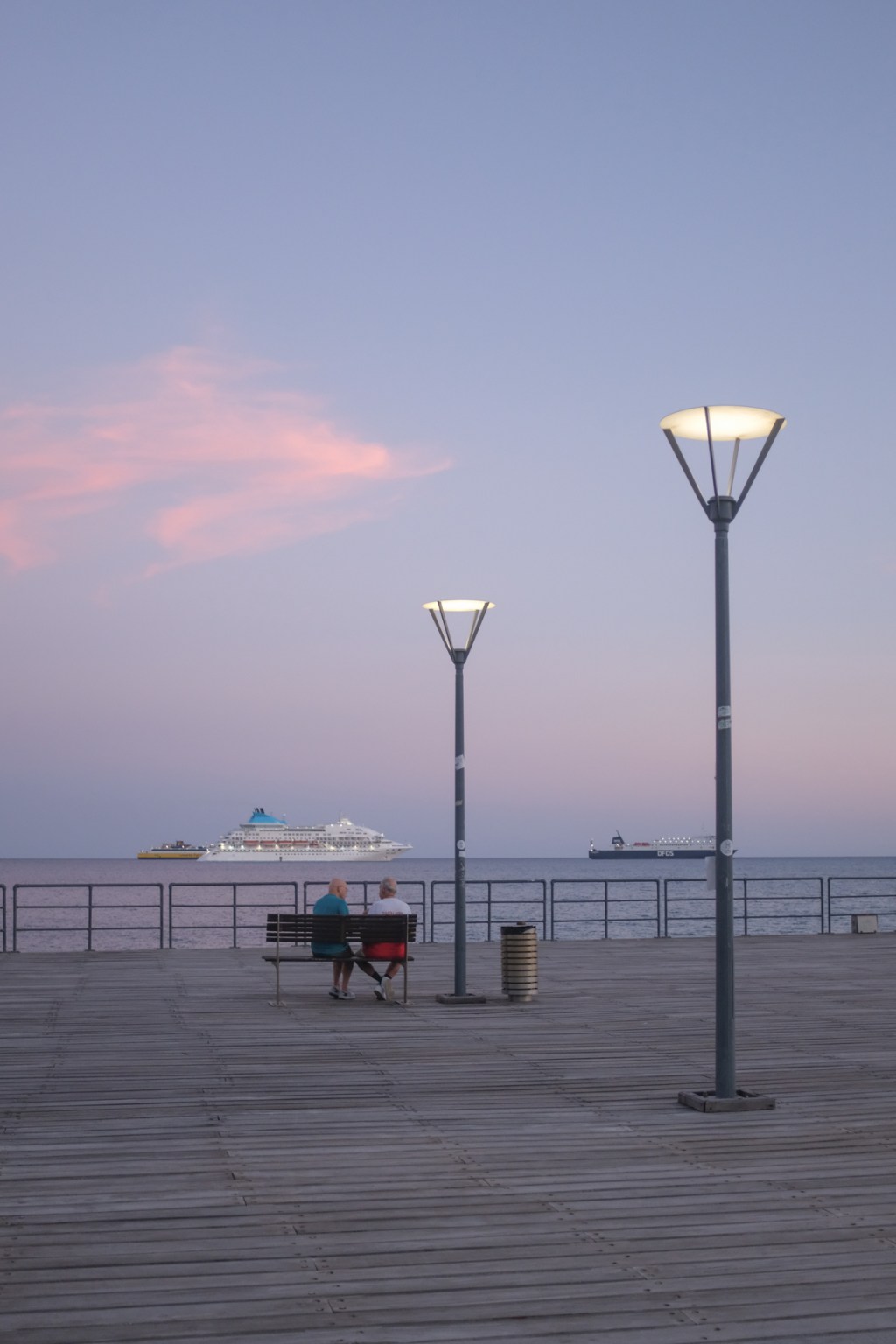
The goddess of desire, Aphrodite, was born out of white foam, as her name suggests. (Aphrós means “foam” in Greek.) Rising from the sea on a scallop shell, she stepped ashore onto a beach to the east of Paphos, in Cyprus. Wherever she walked, grass and flowers sprang from the ground, and it was on this island that her center of worship blossomed.
By the serene Cape Aspro, the water endlessly polishes the stones into smooth works of marble. They feel good against bare feet. The sea, shielded from the hard rays of the sun by powder-white cliffs, takes on an ethereal glow. It was a scene made for a divine emergence. A few steps inland to where the pebbles cede to soft earth, Aphrodite would have come across her first olive tree. And in the evening, the skies would have danced in dazzling whirls of periwinkle and rose pink, just like they do over the seafront of nearby Limassol.


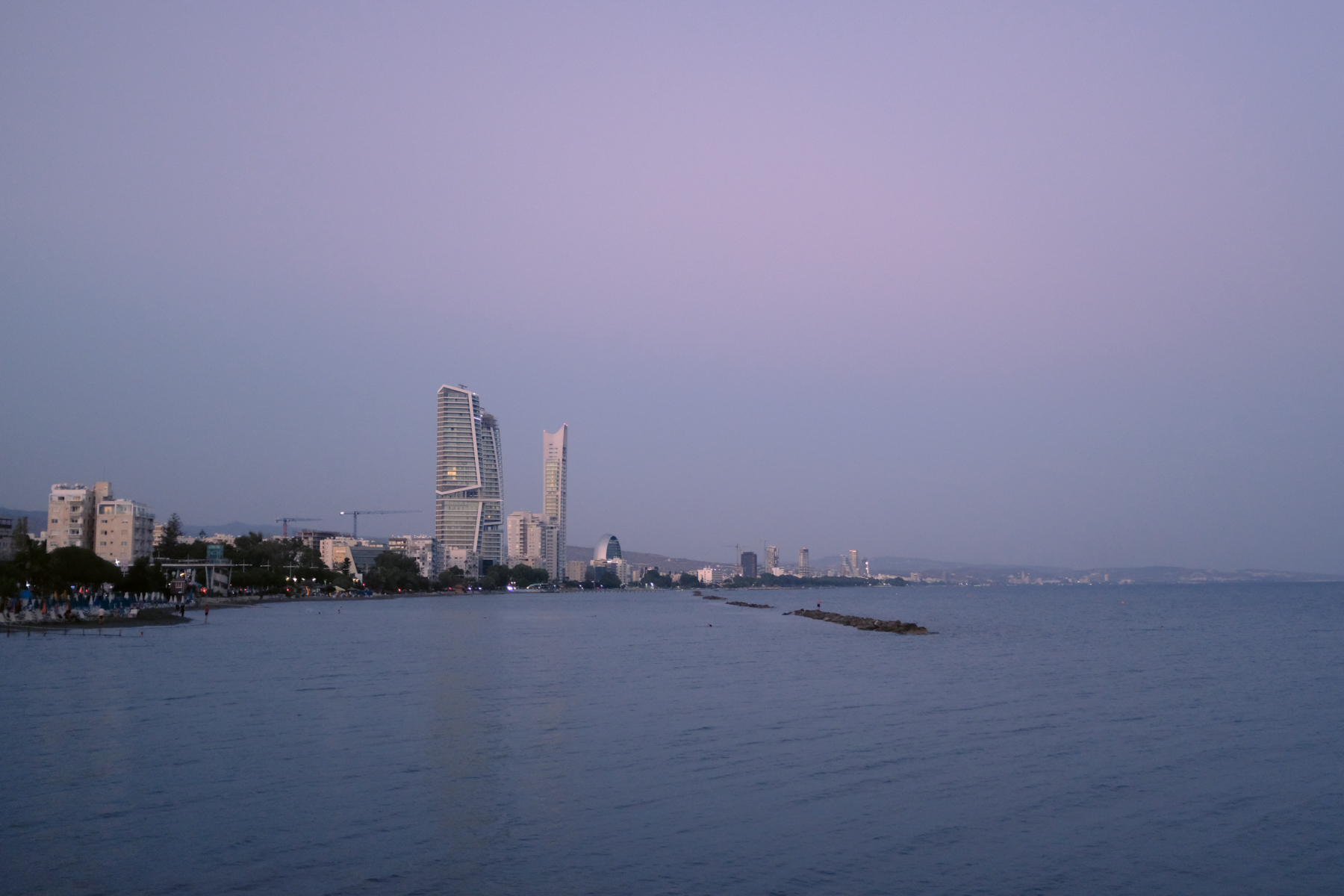
In the clear calm of Cypriot beach cities like Limassol and Larnaca, one loses consciousness of the world around. The modest old towns and their tavernas are filled with soothing chatter. By the esplanade of Molos, families and friends on their evening strolls are accompanied by a hush, almost motionless Mediterranean. They betray the tensions broiling across the region. Across the water, a war rages in the Levant. And running horizontally across the length of the island, the Green Line—a buffer zone administered by the United Nations—dashes Cyprus and its capital, Nicosia, in two halves. To the south is the Greek-speaking Republic of Cyprus, a full member state of the European Union. To the north is the Turkish Republic of Northern Cyprus, a territory recognized only by Türkiye and regarded by the rest of the world as occupied land. Since 2003, a number of checkpoints have opened up, including three in Nicosia, allowing both Greek and Turkish Cypriots to cross over to the other side.
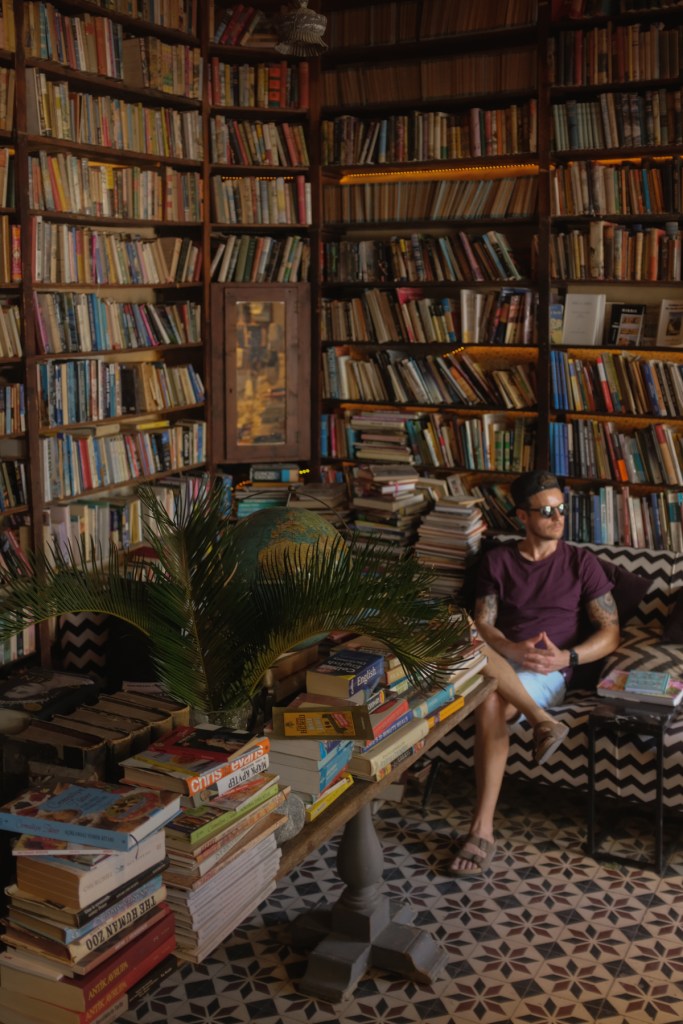
Not far off from the pedestrian-only checkpoint on Ledra Street in the northern part of Nicosia (or Lefkoşa in Turkish) is Rüstem Kitabevi—Rüstem’s Bookshop. It has been in business since 1937, when the entire island of Cyprus was still a British Crown colony. Nearly a century on, the bookstore has become an important cultural center in Europe’s only divided capital. It is a proper old-fashioned gentleman’s study, filled to the ceiling with minarets of books, some which can only be reached by ladder and staircase. Nearby is the Bandabulya Market. Built in the early 1930s during British occupation of the island, it became the Cyprus’s main municipal market and a popular gathering spot for families. Long before British rule, when the island was a part of the Republic of Venice, the area was already used as a trading space. Today, one can find an assortment of products, from Turkish coffee sets to textiles and ripe dates.
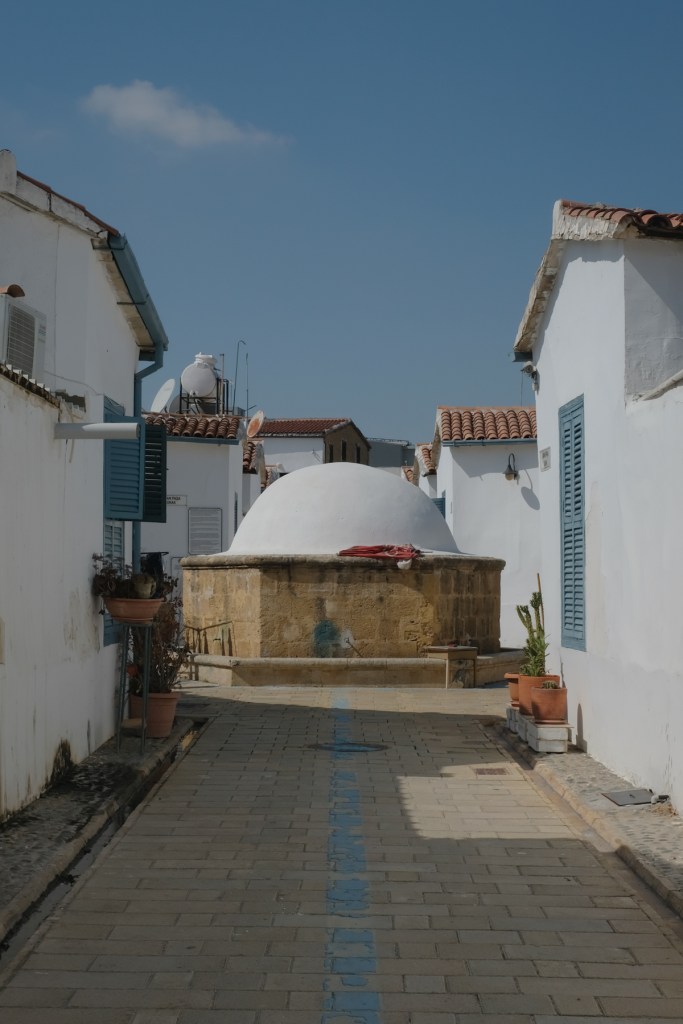
Towards the northern rim of Nicosia’s old walled city is Samanbahçe, a small neighborhood of bucolic whitewashed houses. Its narrow alleyways, brightened by painted windowpanes and potted plants, make for a pleasant stroll. The approximately 70 houses, constructed with traditional mud-brick walls and thatched reed ceilings, were the island’s first social housing project.

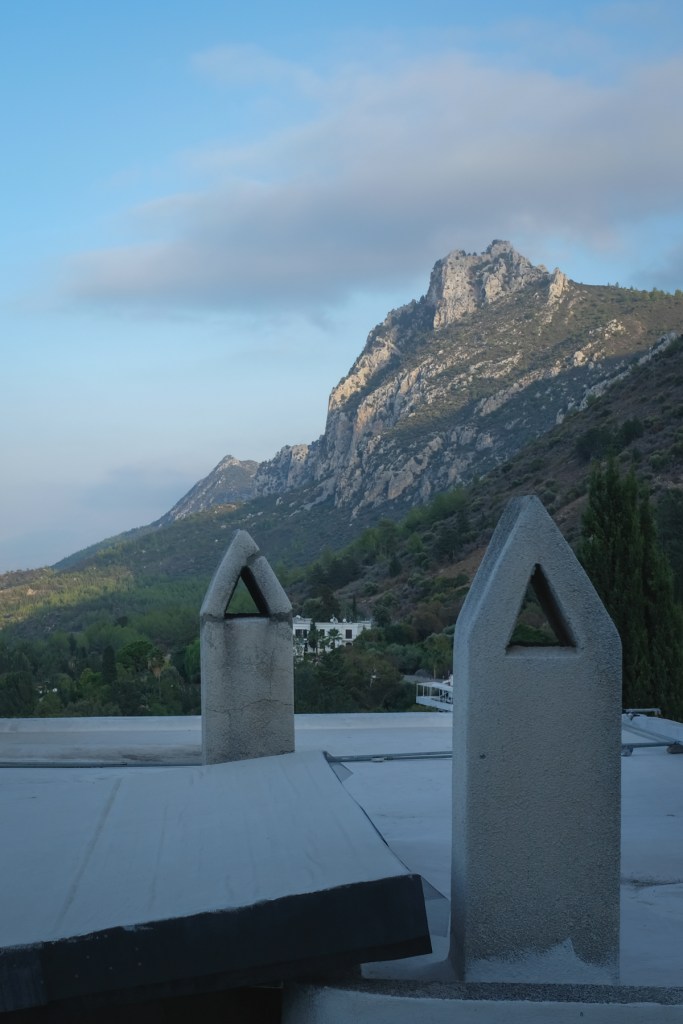
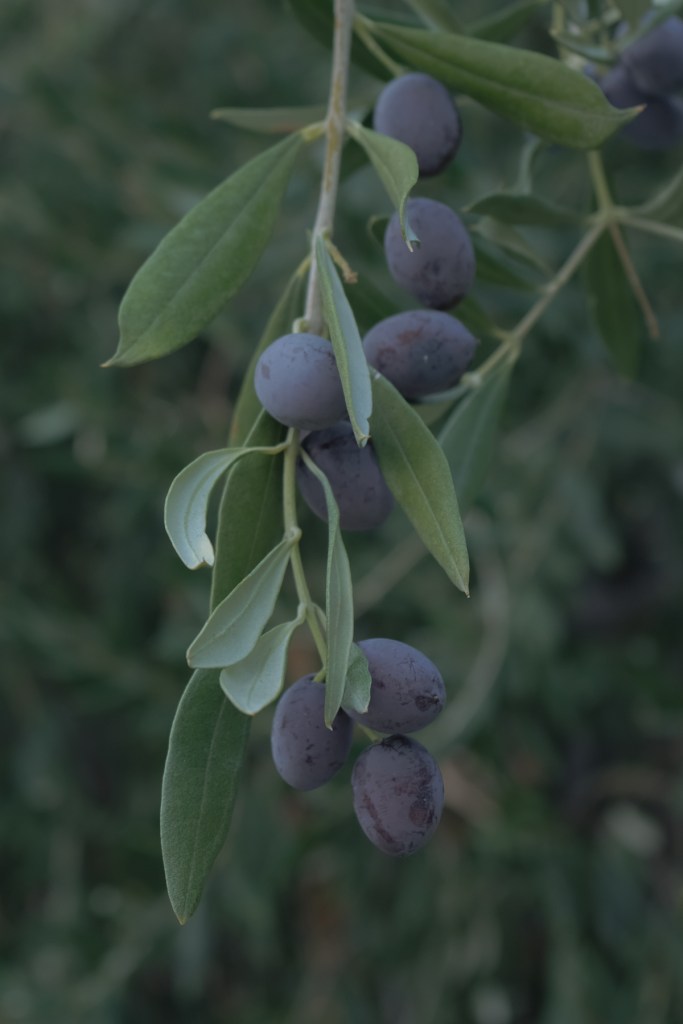
The Kyrenia Mountains run along the northern edge of Cyprus like a spine. Tucked between its bones is the quaint village of Karmi, officially Karaman in Turkish. Many consider it to be the most beautiful village in Northern Cyprus. The ancient Cypriots built their settlements away from the coast for fear of Arab raiders. With an unobstructed vista of the Mediterranean Sea and surrounded by flowering bushes, olive trees, and wildflowers, Karmi exudes all the charm of a quintessential Mediterranean mountain village. But behind its rustic stone villas brushed with sweeping bougainvillea is a less rosy history. The Turkish invasion of Cyprus in 1974 displaced the original Greek-Cypriot inhabitants, forcing them to flee to the south of the island. Today, Karmi retains its pretty façade due to the presence of British and German expatriates who were granted leases in exchange for restoring the village.


To the east of the island is Famagusta. Once, it was Cyprus’s most important port city. Famagusta’s architecture reflects the island’s winding medieval heritage from a Byzantine province to an independent kingdom under the French Lusignan family to a colonial Venetian outpost. Its largest medieval building, a gothic Lusignan cathedral built during the 14th century, was converted into a mosque during the 16th century.
In the southern quarter of Famagusta lies Varosha. During its heyday, Varosha was the island’s main tourist destination. Home of high-rise hotels, cafés, and bars, its beaches entertained celebrities such as Elizabeth Taylor and Brigitte Bardot. When Famagusta came under Turkish control, Varosha was abandoned and subsequently sealed off. In the absence of human habitation, the buildings fell into decay. Untouched for half a century, Varosha reopened to visitors in 2020, a ghoulish image of what it once was.
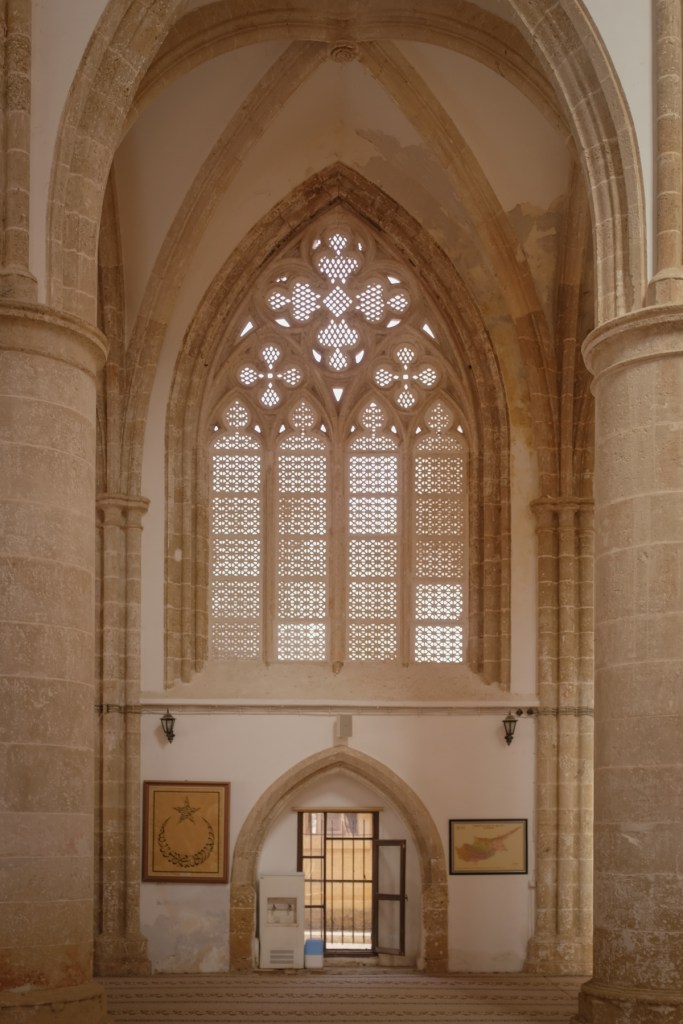
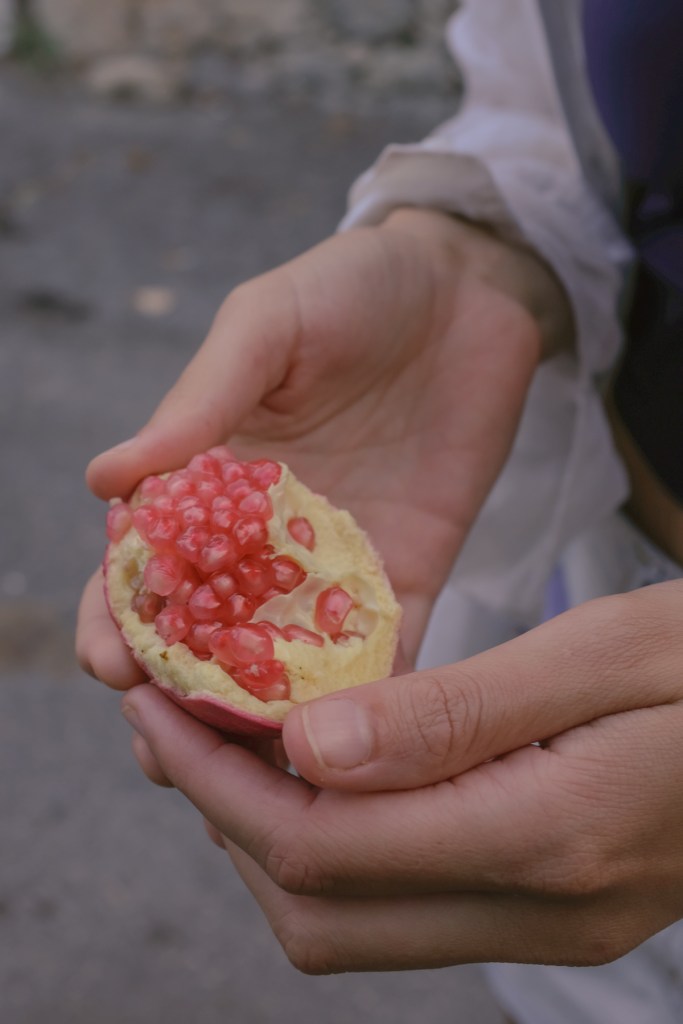

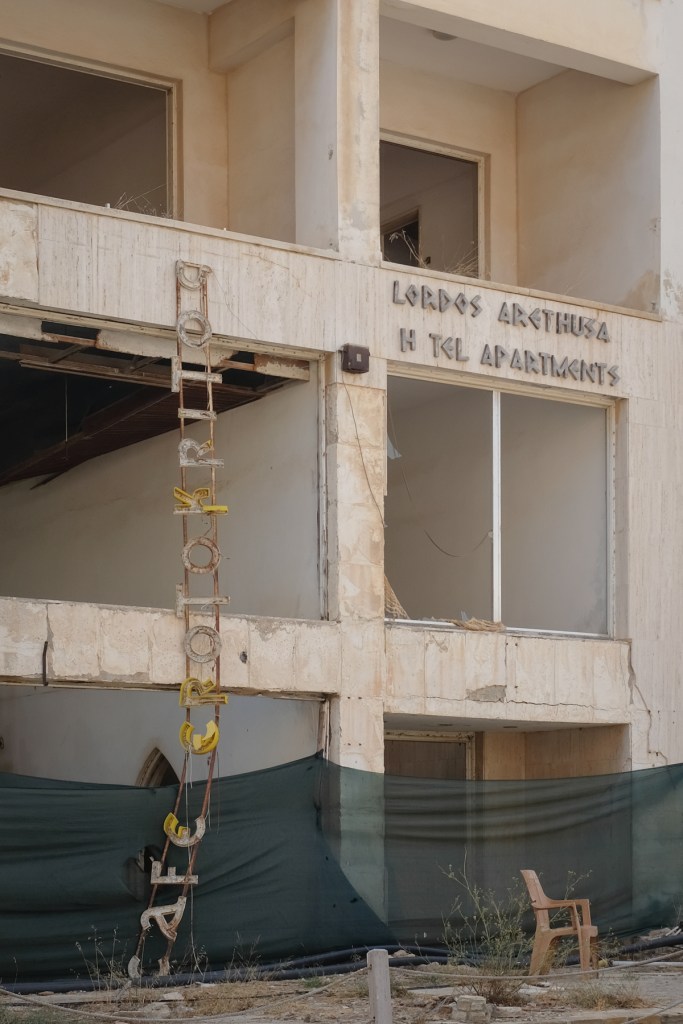
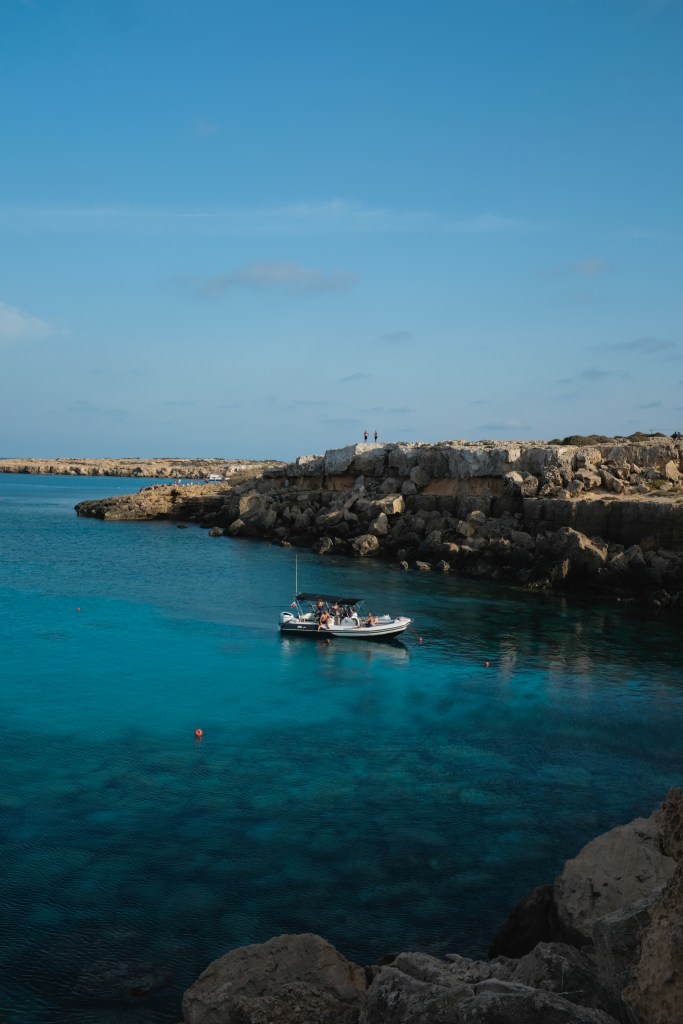
It’s no mystery why the rich and famous flocked to this corner of Cyprus. The region of Famagusta is blessed with fine golden sands and crystalline waters. To the southeast lies Cape Greco, dotted by sheltered coves and a shimmering sapphire sea so blue, it appears almost aflame. A stone’s throw from the cape is the Greek-Cypriot resort of Agia Napa, which has grown over the years to fill the gap left by Varosha.
One island, two nations. Life on Cyprus is lived in a quiet stalemate. Despite the lack of a common ground between Greek and Turkish Cypriots for negotiations, people on both sides go about their day. It’s hard to say when a solution to the Cyprus problem will be found. For the short-term, visitor, the island’s natural sceneries and tranquility is beguiling, obscuring the signs that anything was awry at all.
 Gregory Gioro
Leave a comment